

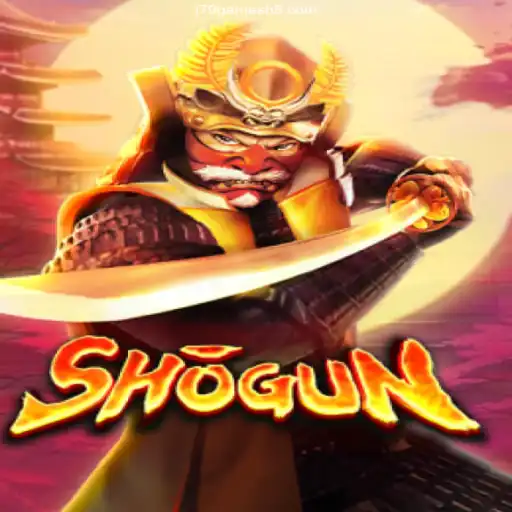
Shogun: An Epic Strategy Game Experience
The world of gaming is constantly evolving, offering players myriad experiences that transport them into different realms, times, and scenarios. One of the games that has managed to captivate many enthusiasts is Shogun. This strategy game is set in the tumultuous era of feudal Japan, allowing players to test their tactical prowess in a quest for supremacy.
Introduction to Shogun
First introduced in the early 2000s, Shogun quickly garnered a dedicated following due to its deep strategy mechanics and immersive storyline. Developed by renowned gaming company J79 Games, Shogun places players in the role of a powerful daimyo. Each player must navigate the complex political landscape of Japan, building alliances, raising armies, and conquering territories to become the ultimate ruler, the Shogun.
The allure of Shogun lies not only in its strategic depth but also in its ability to transport players to a richly historical setting. With the potent combination of vivid graphics, engaging soundscapes, and intricate gameplay mechanics, players are not merely passive participants; they become part of a living, breathing world where every decision impacts the game's outcome.
Gameplay Mechanics
At the heart of Shogun is its complex gameplay, which masterfully blends elements of real-time strategy and turn-based tactics. The game places strong emphasis on resource management, army composition, and strategic planning. Players are tasked with managing their provinces' resources, such as gold, rice, and troops, to expand their influence and power. Unlike simpler strategy games, every decision in Shogun demands careful consideration, as rash actions can lead to disastrous consequences.
Additionally, Shogun incorporates an innovative battle system that simulates real historical conflicts. Players must employ a variety of units, each with unique strengths and weaknesses, to outmaneuver and overpower adversaries. The inclusion of weather and terrain effects further enhances the realism, forcing players to adapt their strategies to the environment.
The Role of Diplomacy
While military might is crucial, diplomacy in Shogun is equally significant. Players must forge alliances, negotiate trade agreements, and manipulate opponents through cunning political maneuvers. The virtual world of Shogun mimics real-world dynamics, where trust is scarce and betrayal is common. Navigating this intricate web of diplomacy can often be the difference between victory and defeat.
Shogun in the Current Gaming Landscape
In recent years, Shogun has seen a resurgence in popularity, partly due to the growing interest in historical games and strategy-based experiences. The rise of online platforms, such as the Shogun being accessible on j79 games⭐️ ONLINE PLATAFORMA OFICIAL, has introduced the game to a new generation of players. Today's gamers, drawn to the historical context and deep mechanics, have found Shogun to be a captivating alternative to more mainstream titles.
The game's developer, J79 Games, has continued to support Shogun with regular updates, balancing adjustments, and events that keep the game fresh and engaging. This ongoing commitment has reinforced the game's status as a beloved classic in the strategy game genre.
Community and Competitions
The community surrounding Shogun is a vibrant one, with forums, social media groups, and fan sites dedicated to discussions about strategies, gameplay, and lore. This community engagement has culminated in several unofficial tournaments where players worldwide compete to showcase their mastery of the game. These events not only foster a sense of competitiveness but also highlight the diverse strategies and approaches possible within the game's framework.
Additionally, the game has inspired numerous content creators to develop guides, tutorials, and "let's play" videos that serve to both entertain and educate new players on mastering Shogun.
Impact and Cultural Significance
Beyond its entertainment value, Shogun has also contributed to cultural and educational discussions about feudal Japan, highlighting the complexities of the era and providing insights into the customs and traditions of the time. Players often find themselves delving into history books, documentaries, and academic articles to better understand the real historical context behind the game's storyline.
This educational aspect of Shogun not only enhances its replayability but also elevates it as a culturally significant piece, encouraging players to explore history beyond the virtual battlefield.
As the gaming industry continues to evolve, games like Shogun remind us of the unique power of interactive entertainment to provide both thrilling gameplay experiences and a window into the world's rich tapestry of history.